

We step inside the world of Pernilla Bennet, founder of House of Bennet, to discover the places, influences and inspirations that shape her distinctive approach to interiors — from her love of Little Venice and the V&A to creating homes with individuality, history and soul.

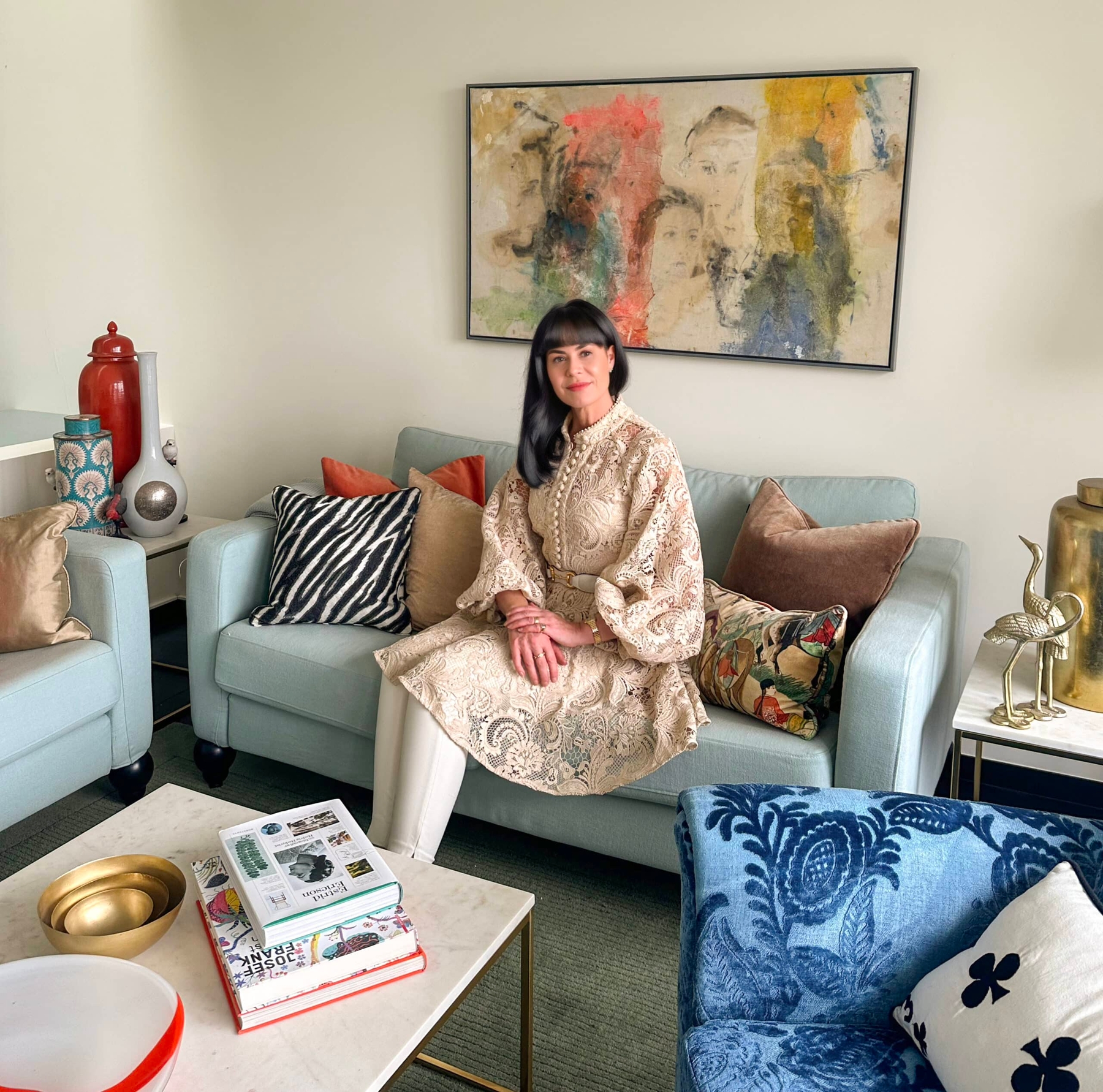
Can you tell us a little about House of Bennet and the journey that led to founding the studio?
House of Bennet was born from a desire to create interiors that feel deeply personal, layered and emotionally resonant—spaces that are not simply designed, but curated. My journey began in the fashion and home textile industry, where I developed a strong understanding of materiality, colour, proportion, and the emotional language of fabric.
Over time I became increasingly drawn to interiors as a more permanent and immersive form of expression. I wanted to move beyond fleeting creations and focus instead on longevity and the relationship between a space and the people who inhabit it. After obtaining my MA in interior design, I established the House of Bennet thereby fulfilling my ambition of transitioning from the world of fashion and textiles to the more enduring art of interior design.
What first sparked your passion for interior design and architecture?
In fashion, I was interested in how clothing shaped identity and presence. That naturally extends into interiors, where the same principles of design apply, but on a larger and more permanent scale.
What ultimately drew me to interiors was their ability to hold memory. A home can evolve with its inhabitants, absorbing experiences, objects and stories over many years. That sense of permanence and emotional connection is what continues to inspire me.

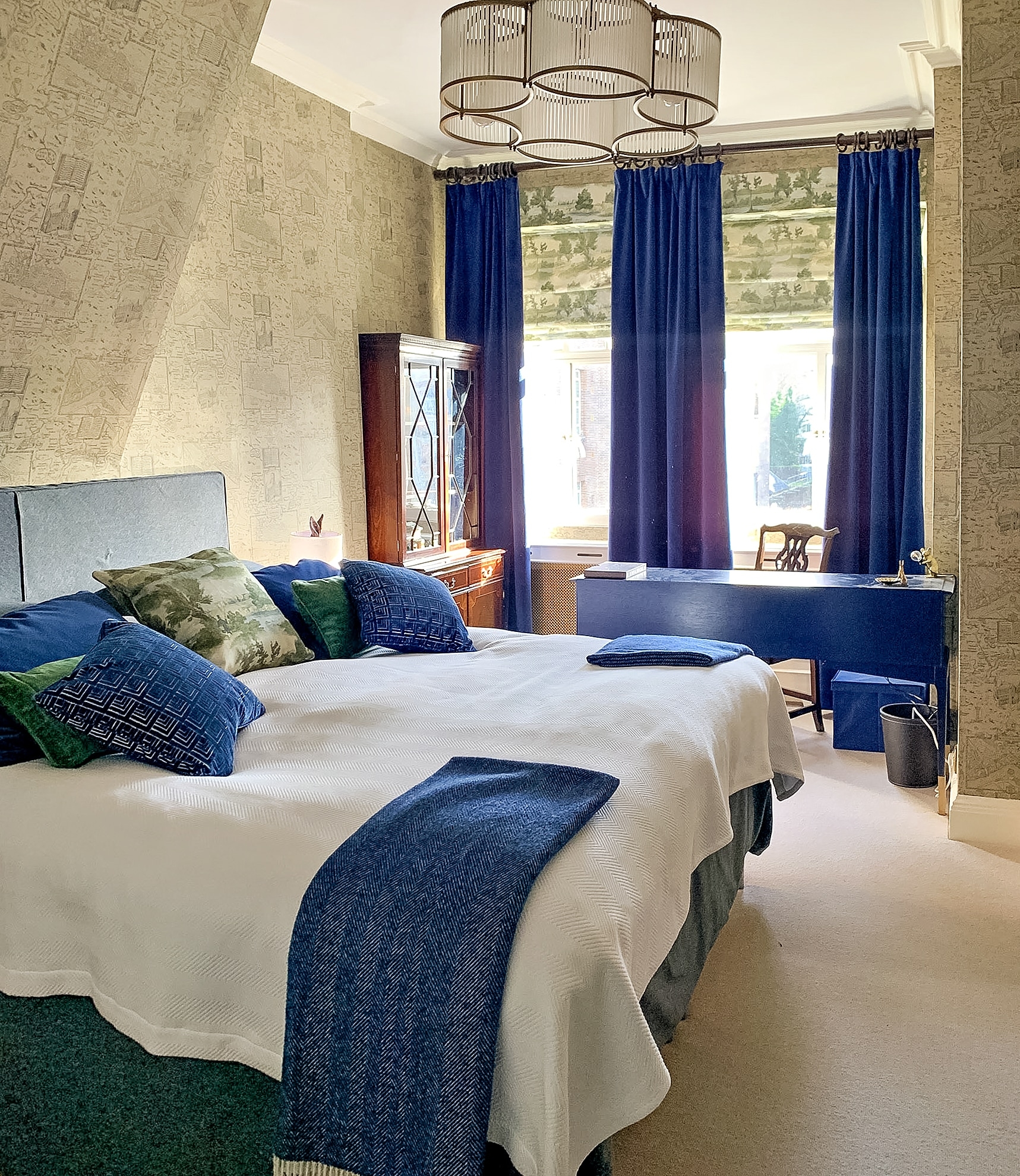

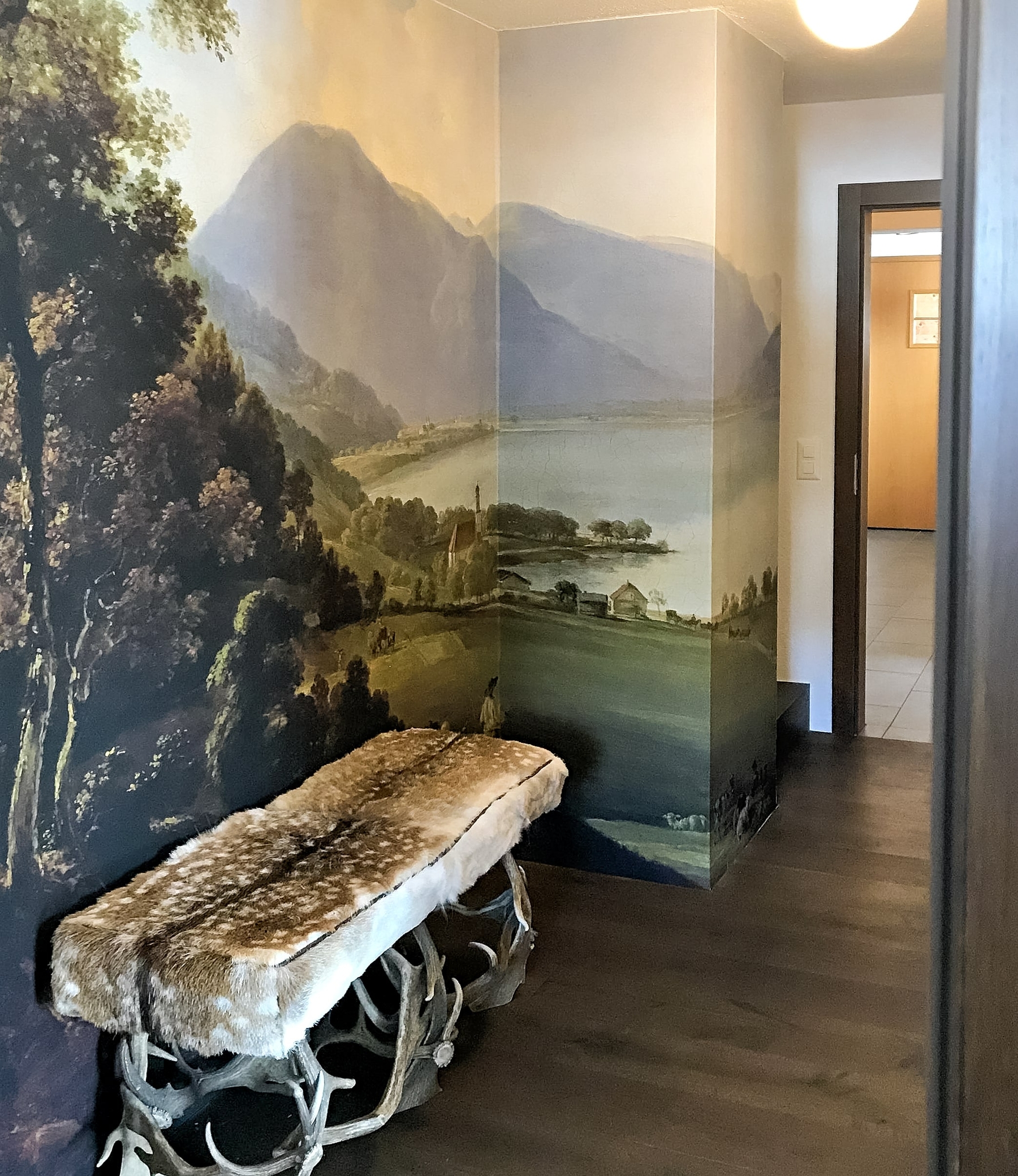
Your work spans the UK, Sweden, Italy and Switzerland. How have different cultures influenced your design philosophy?
Working across different countries has reinforced my belief that there is no single definition of beauty, nor that beauty is confined to a specific cultural context.
In the UK, I am often inspired by history and architectural character. Sweden brings a clarity, restraint and deep respect for natural light and deliberate simplicity. Italy, in turn, has influenced me through its appreciation of craftsmanship, colour and theatrical bravery. Switzerland offers a strong connection to precision, quality and the relationship between landscape and architecture.
Rather than adopting a particular style from each country, I see each project as a dialogue between place, architecture and the people who inhabit it. As such, I do not seek to impose a signature aesthetic.
How do you approach the relationship between art, architecture and interiors?
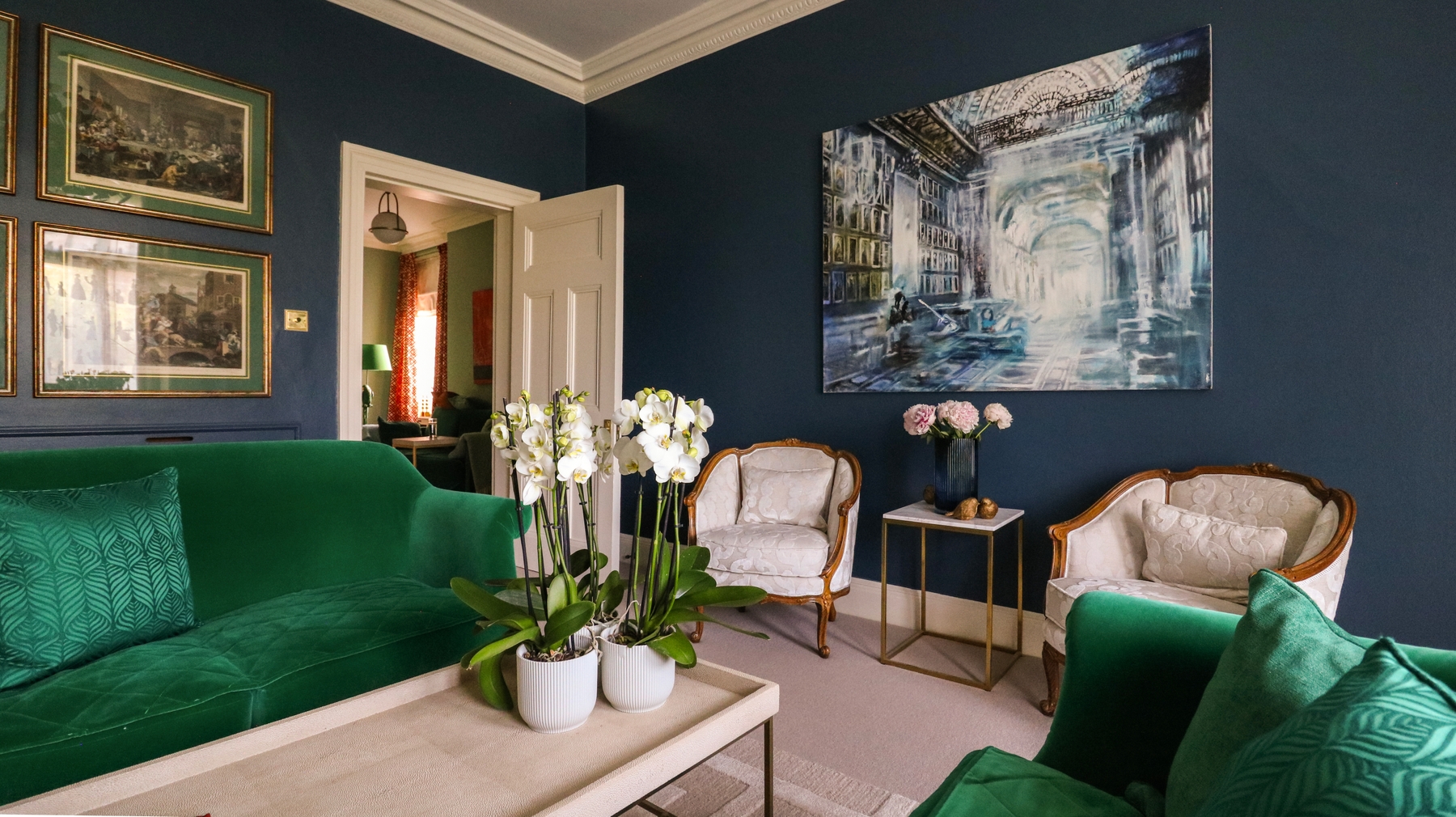
I see them as inseparable.Architecture provides the framework, while interiors establish the atmosphere. Art, in turn introduces another layer of culture and personal expression. The best interiors allow these elements to complement one another without any one of them dominating.
Every property has its own character. How do you uncover what a home is trying to become?
I look at the natural light, proportions, architectural details, flow and history of the property. Understanding how a property works before making design decisions is essential. The goal is to enhance what is already there, rather than forcing a style onto the property.
We provide a tailored research report with every proposal detailing the building's architectural history, context, and the influences of the era, ensuring the client understands the precise rationale behind our design proposal.

How involved are you throughout the client journey?
The relationship with the client is essential. I want to understand not just their aesthetic preferences, but how they live, what matters to them and what they want their home to provide.My approach is to be involved throughout the process from the earliest floorplans through to the final touches, and to remain responsive and communicative throughout the whole project.
You describe your interiors as having “identity and soul”. What does that mean in practice?
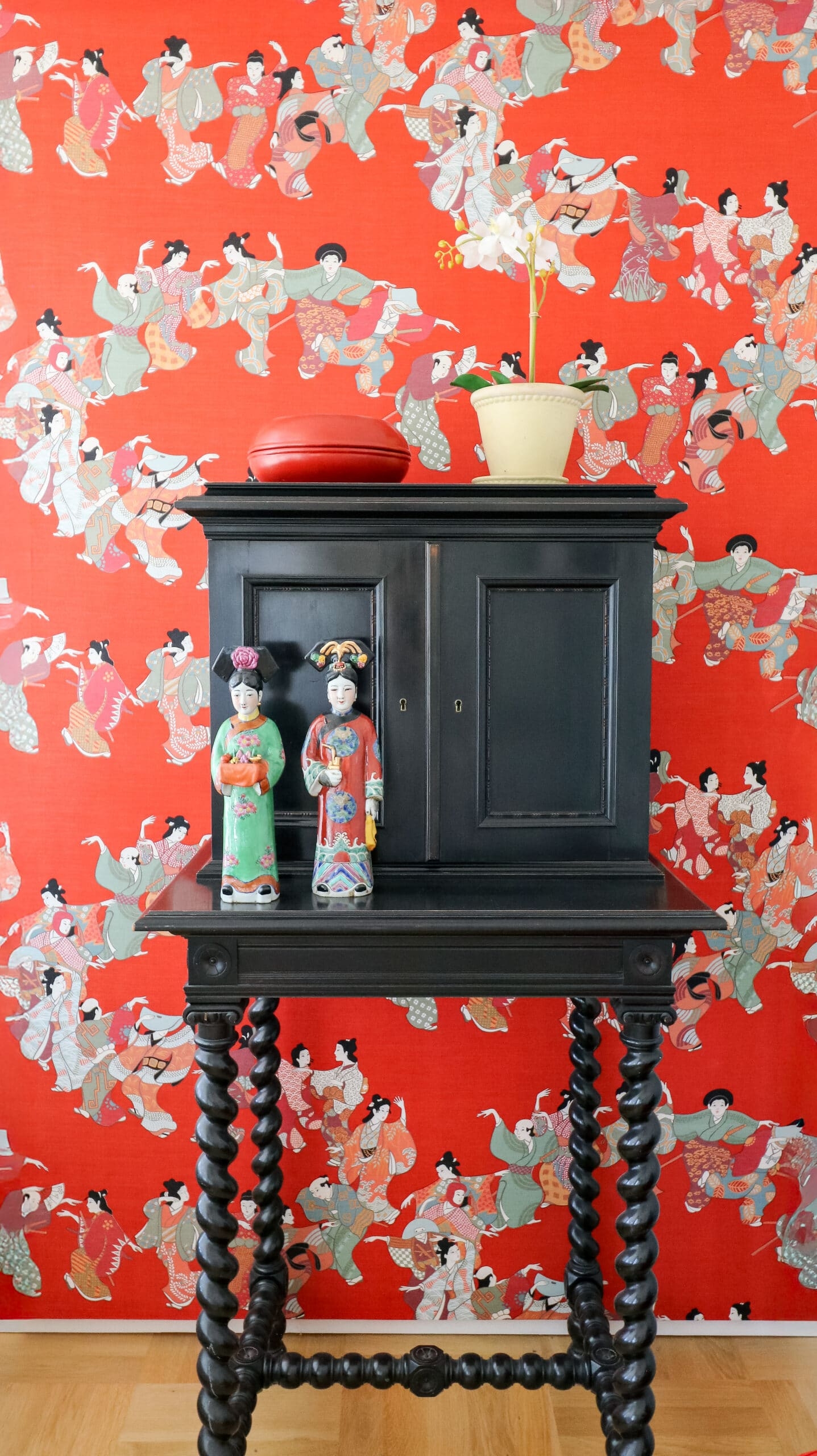
I don’t believe a home should simply be beautiful. It should also make a statement. That comes through the details: an inherited piece of furniture, a collection of art, a particular material, or something found while travelling. These elements give a home authenticity and prevent it from feeling overly designed.
It is important that interiors feel collected rather than manufactured. Even when everything is carefully considered from the beginning, it is important to go beyond off-the-shelf options.
What excites you most about the future of House of Bennet?
It has to be our growing focus on bespoke items. We are developing more custom pieces than ever before, allowing us to create deeply personalized, one-of-a-kind interiors for our clients.
Whether we are designing entirely bespoke options or thoughtfully upcycling and adapting existing treasures, this tailored approach ensures every space tells a completely unique story. It moves us away from the predictable, giving us the freedom to craft spaces that are genuinely distinctive, character-rich, and aligned with our clients' lives


What is your favourite room to design?
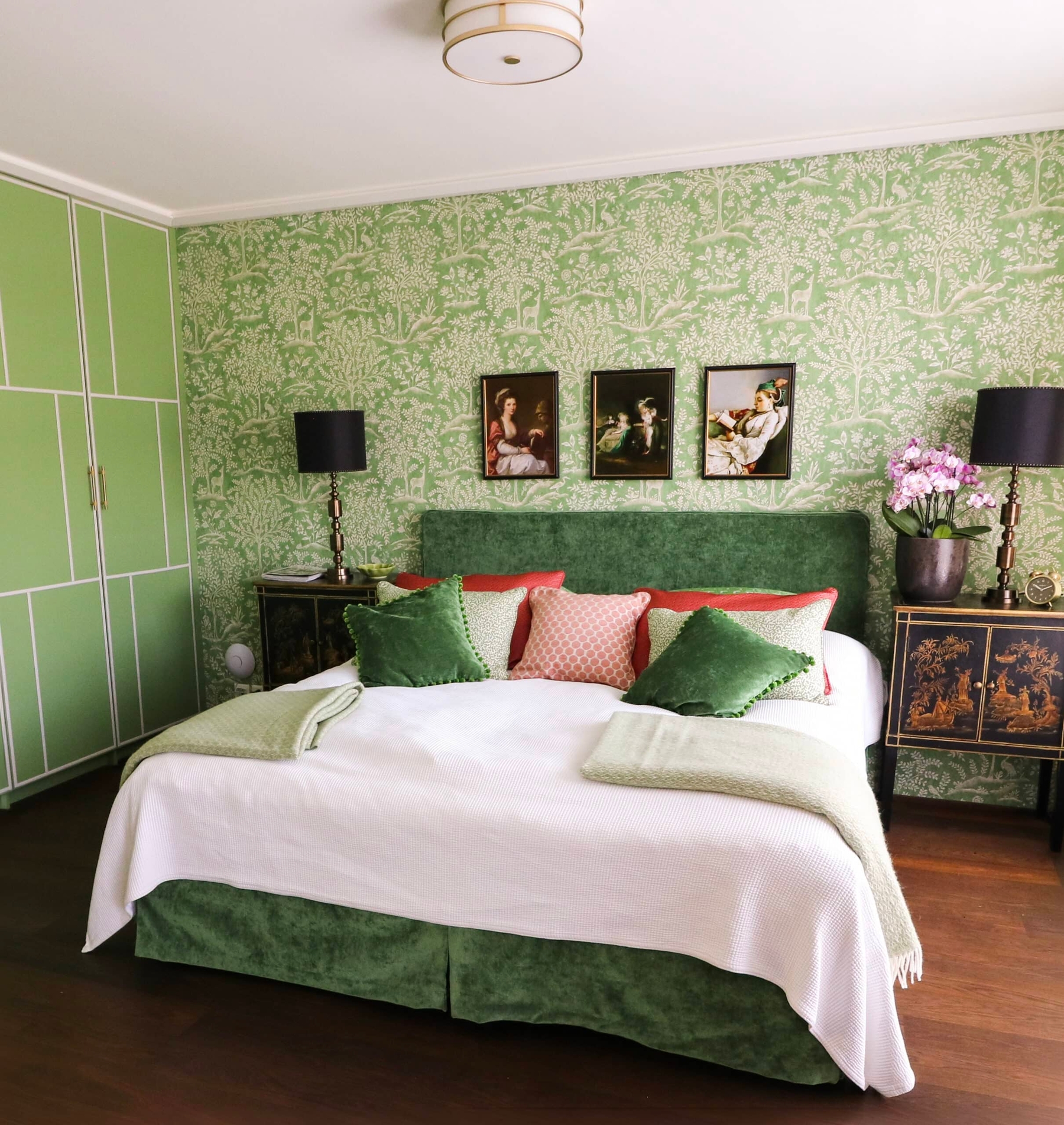
All rooms offer an exciting design challenge, although my favourites are Living rooms and bedrooms, because they offer the ultimate canvas for layering textiles, providing the creative depth needed to design spaces that are uniquely tailored, sophisticated, and deeply personal to the client.
Minimalist or Maximalist ?
Maximalist, because it allows for greater depth, giving me the opportunity to layer textures, history, and curated pieces that provide far more substance and soul to a space
What is your favourite area in London?
Little Venice because it is historically interesting, beautiful and has a real sense of community
What is your favourite exhibition of all time?
V&A’s Alexander McQueen – Savage Beauty – It was groundbreaking, very emotional and beautiful