

For this conversation, we spoke with Maxine Agyemang, one of our London House brokers and the founder of Mood Dwell, about bridging the gap between property and interior design. Drawing on her experience in London’s luxury residential market, Mood Dwell helps clients see the potential in a space and make more considered property decisions.


1. Let's start from the beginning. What first sparked your passion for interiors and what led you to create Mood Dwell?
Some would say I’ve had all the right ingredients leading me here – I studied architecture at university and worked in New Homes sales for eight years in corporate. However, there was always an itch to go further than just design or property sales independently; throughout numerous viewings and dealing with a variety of clientele, the problem was consistent – people were being supported through the transaction but left alone with the spatial decisions and struggled to realise the home they deeply wanted. The gap between property and design needed someone in it.
2. You've worked in both the London property market and interior design. How do those two worlds complement one another?
The two disciplines complement and inform one another more than one may realise. Being exposed to a variety of homes over my career helps me assess property in a more nuanced way: layout & circulation, orientation & natural light, what can be realistically changed, where value is being added vs being absorbed, and how the property should evolve with the resident over time. My design training then turns that assessment into a home that works. I begin with the asset, the architecture and the life it needs to support, prior to the fun of selecting colour palettes and fabrics.

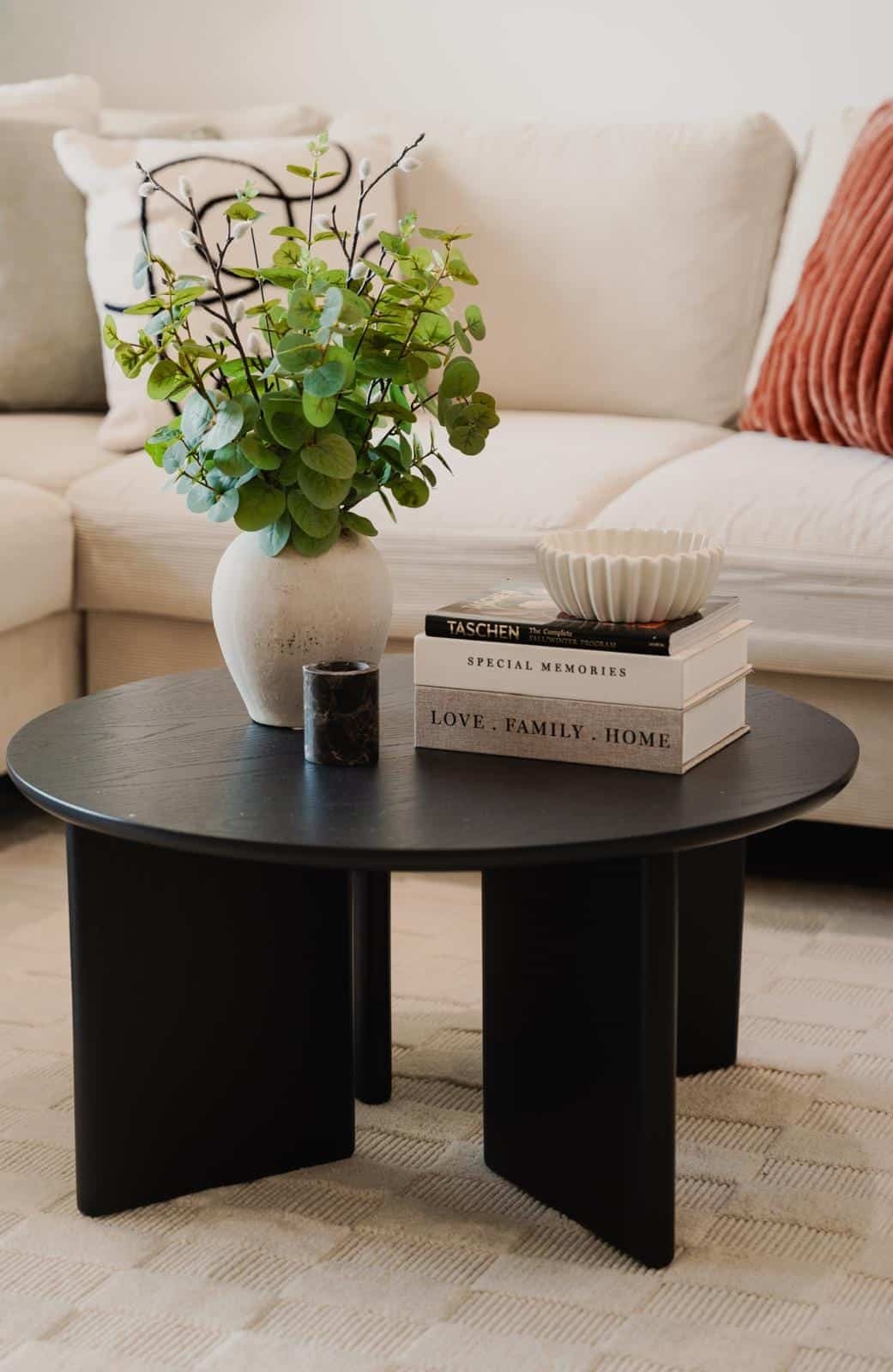

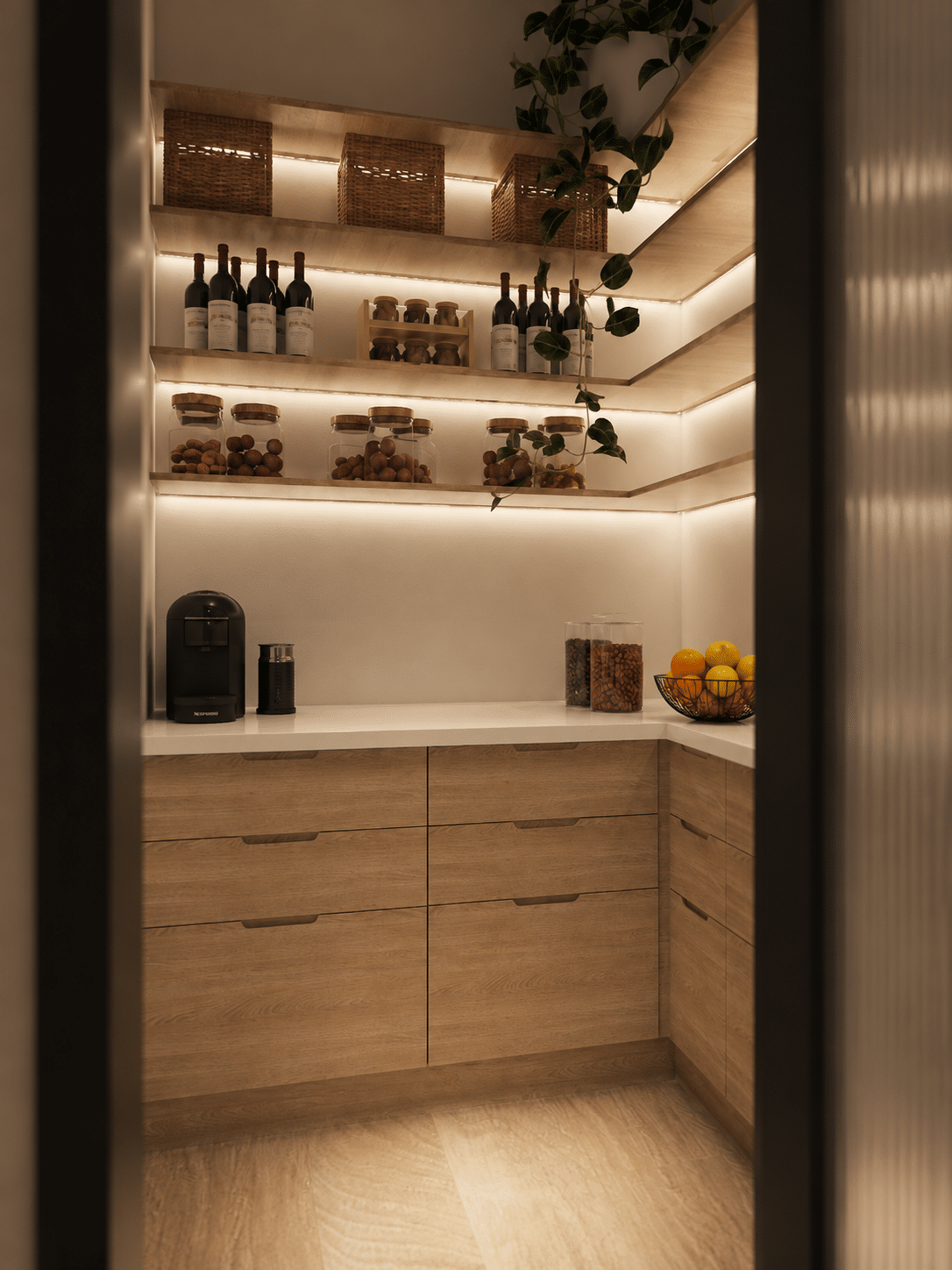
3. Mood Dwell places a strong emphasis on creating homes that enhance the way people live. What does a "well-designed home" actually mean to you?
Houses are built. Homes are made. A well-designed home makes your everyday routine easier, gives everything a reason and a place, supports both rest and activity, reflects the person living there as opposed to a trending aesthetic and can evolve as lives change. You should feel the intelligence of the design before you notice the decoration.
4. If someone has just bought a property and doesn't know where to begin, what would be your first piece of advice?
Pause. Don’t buy anything just yet. Take time to analyse your new home: list what works, the practical frustrations, the priorities and budgets. You don’t need to tackle the whole home at once. Once you understand how you need the home to function, every decision afterwards becomes clearer.
5. What's one design feature or investment that you think offers the greatest long-term value in a home?
The highest value investment is not always an object. A sofa, finish or colour can be replaced. A strong layout affects every purchase, therefore it’s advisable to get the spatial plan right before the expensive decisions begin.

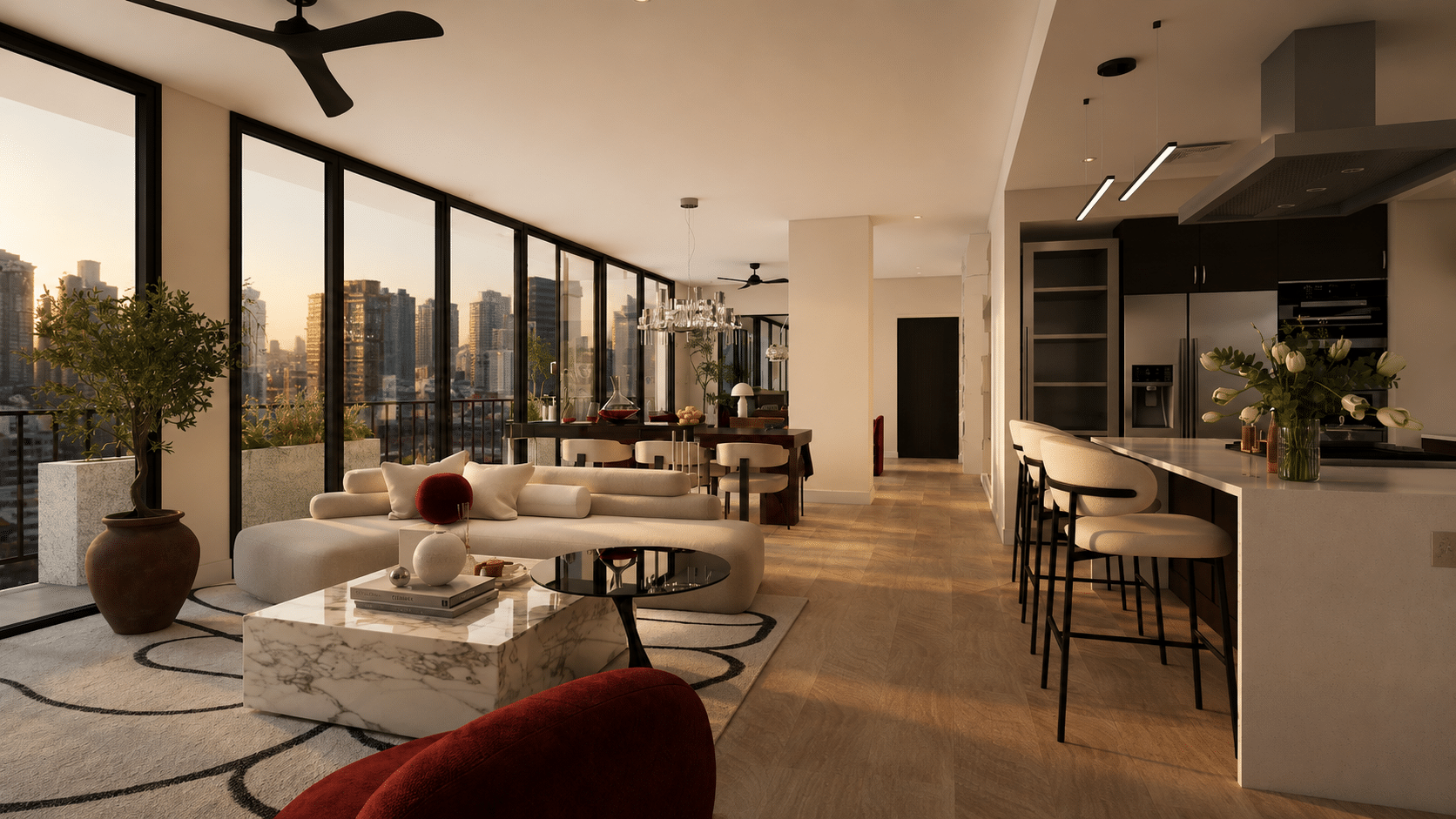


6. You're documenting your own renovation journey. Has living through the process yourself changed the way you work with clients?
I’ve become even more passionate about my mantra – Your home should be a reflection of yourself – however, coupled with that, I’ve become more empathetic, sequencing-conscious and firmer about why clients need a clear plan rather than fragmented advice. Deciding to tackle this personal project alone has given me real insight to interconnected decision making, balancing aspiration with budget while living with delays and unfinished stages.
7. London homes come in every shape and size. What are some of your favourite ways to maximise space without compromising on style?
Some traditional London homes are blessed with ample ceiling heights but are unfortunately unloved. Instead of cluttering your floor space with storage cupboards, consider how you could create elevated storage. Another favourite is using lighting or furniture to define zones. Many London homes aren’t especially spacious, so physical partitions aren’t always the best answer. Lastly, you do not need every piece of furniture; less can definitely be more.
8. What's next for Mood Dwell?
Continuing to build the bridge between property and design, helping more buyers and homeowners make confident decisions through The Reset, The Perspective, The Blueprint & The Bespoke.

Quick Fire – My London
Favourite neighbourhood in London?
It’s a tie between historic Greenwich & Blackheath. I love the blend of Georgian and Victorian architecture with that metropolitan village feel.
Favourite coffee spot?
Sunday’s at Brooklyn – both the Marylebone and Notting Hill branches. It has that perfect balance of calm and energy – you almost forget you’re in London.
Which London property would you love to redesign?
I have an affinity for Georgian houses – the symmetry does something for my OCD. Rather than following the expected interior style, I’d love to introduce an element of surprise that keeps you curious as you move through the home.